

Reprize is an e-commerce application, Which allows sellers and buyers of second hand clothing.We bring the thrift sellers and shoppers allows sustain able fashion, Affordable clothing, less household clutter.
The Project Overview
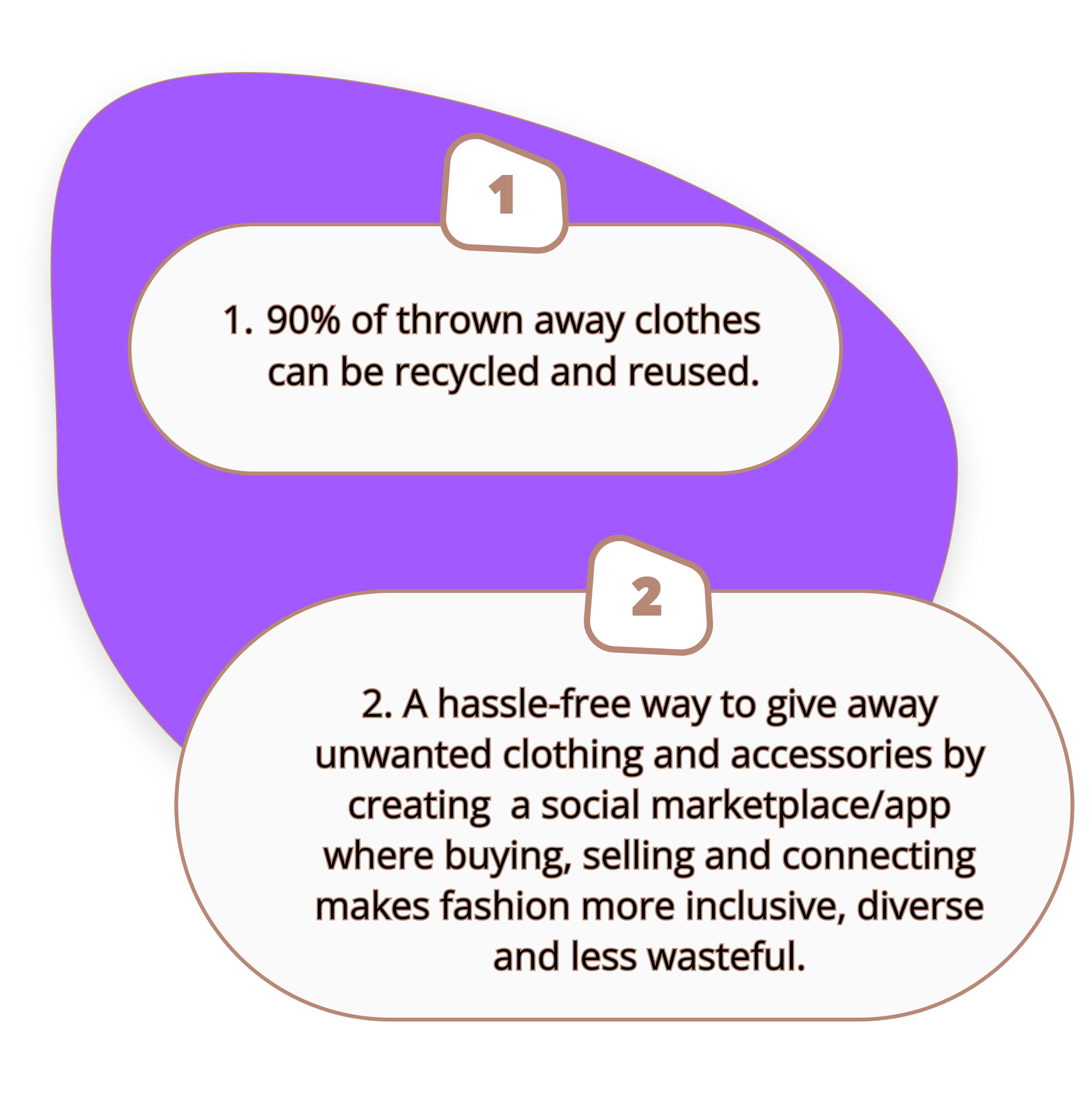
This App brings sellers and buyers of secondhand clothing where the sellers can-
Sell their used clothes in bulk for a certain price which shall be used for reselling, or for the purpose of recycling. User list their used clothes on the app and make a commission on every purchase made.
Problem

Solution
Discovery
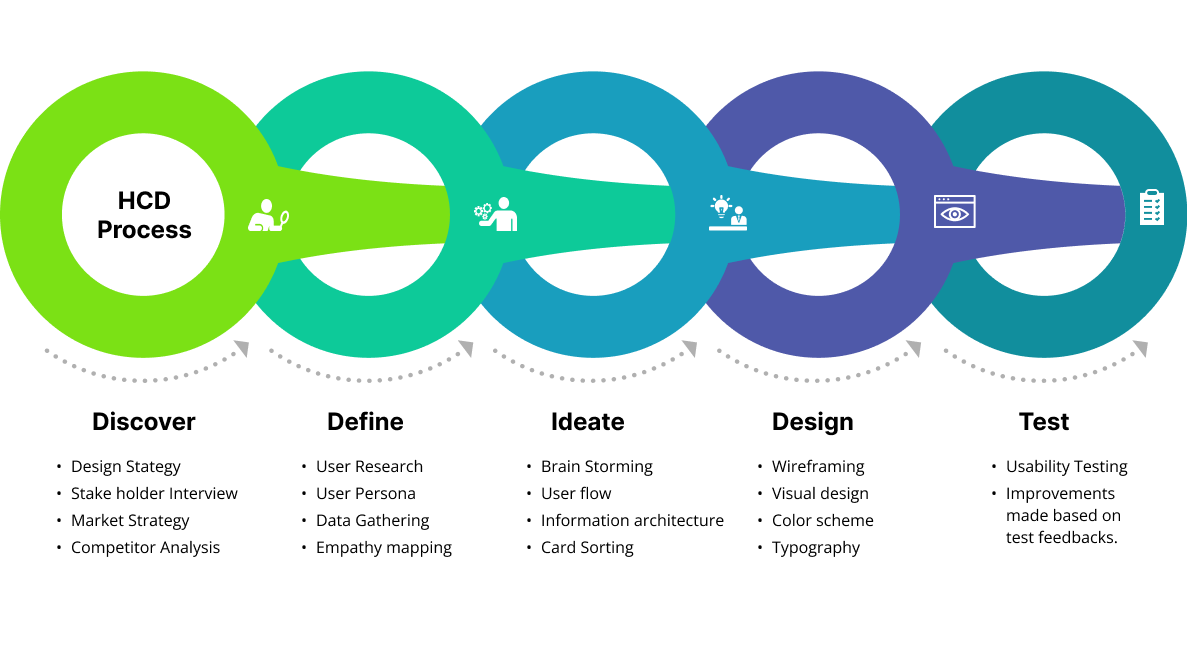
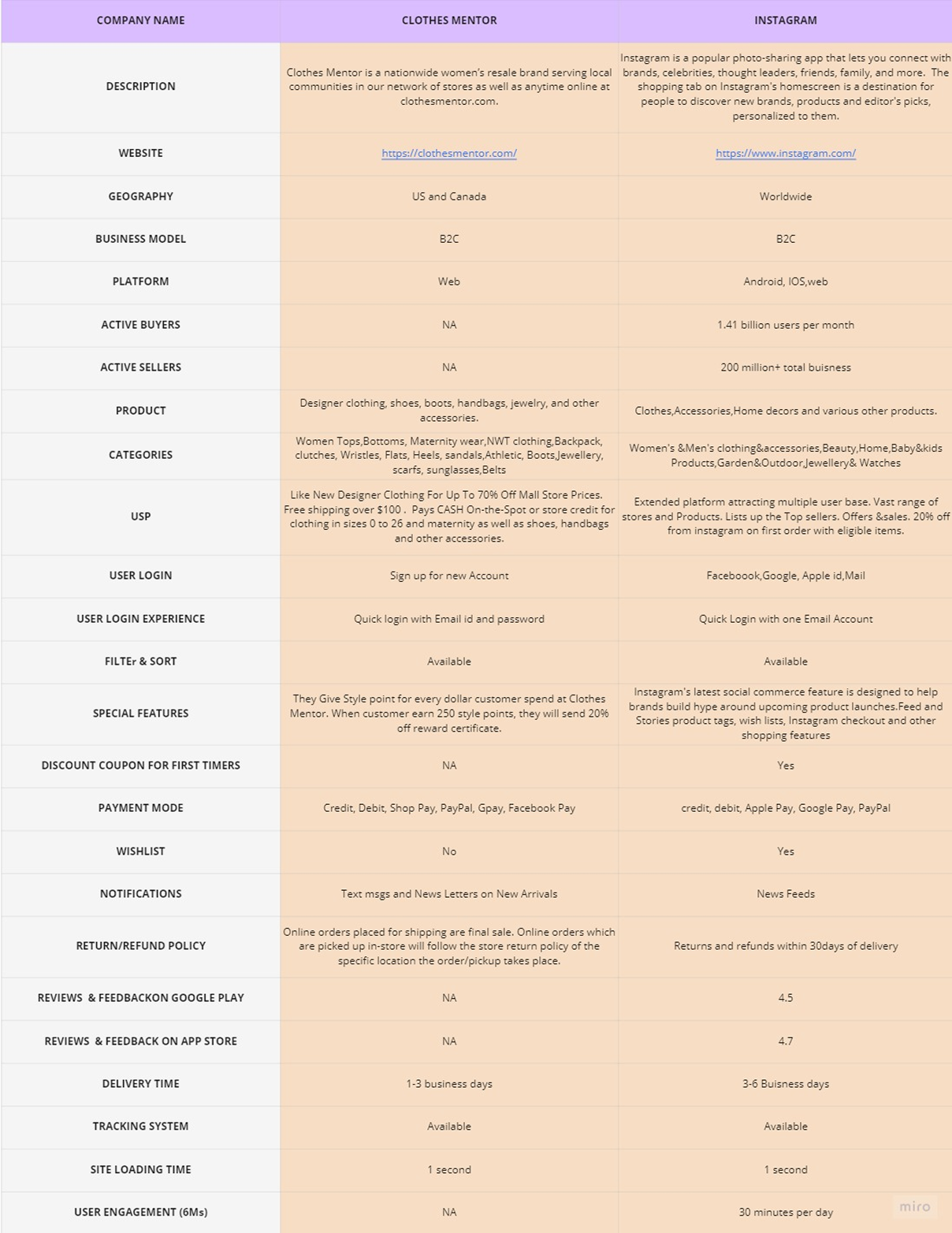
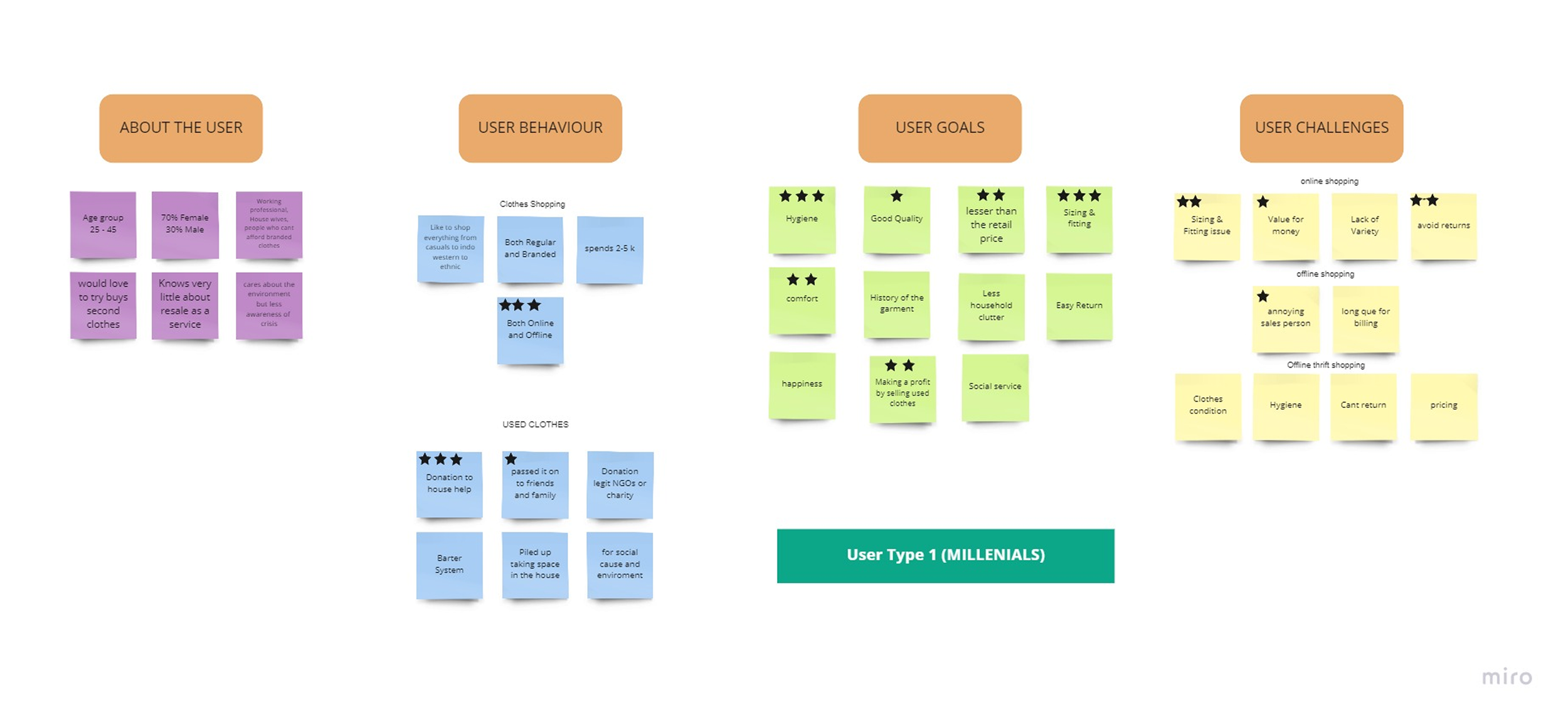
The project began with exploratory research to understand the motivations and frustrations of users who buy or sell secondhand goods. Surveys and informal interviews revealed several recurring insights:
Shoppers felt overwhelmed by cluttered, unorganized resale platforms.
There was a lack of trust in item quality, seller credibility, and return options.
Users valued affordability but desired a more curated, clean shopping experience.
This research helped us define a clear need: an accessible, trustworthy, and enjoyable secondhand shopping interface that makes buying pre-loved items feel as rewarding as buying new.

Define
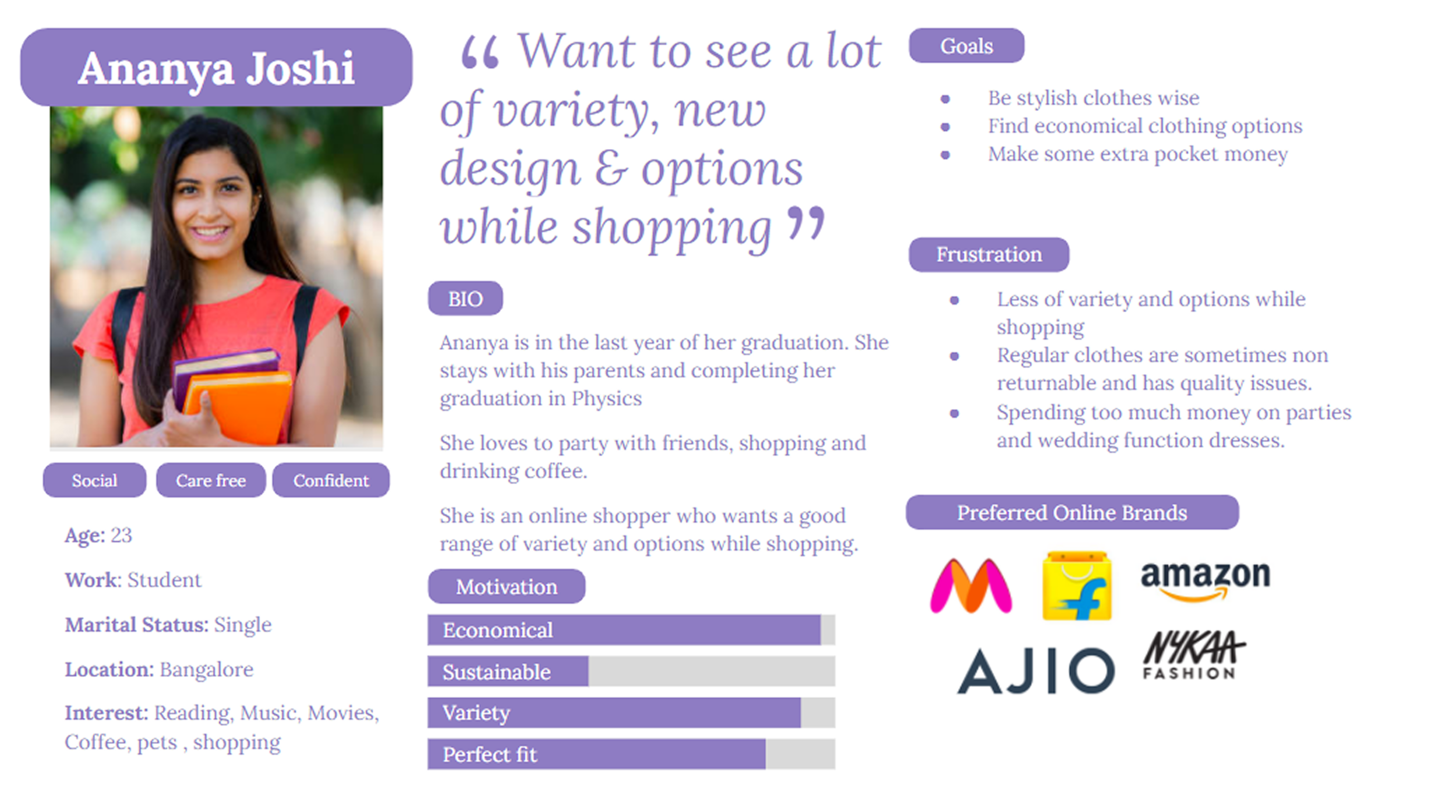
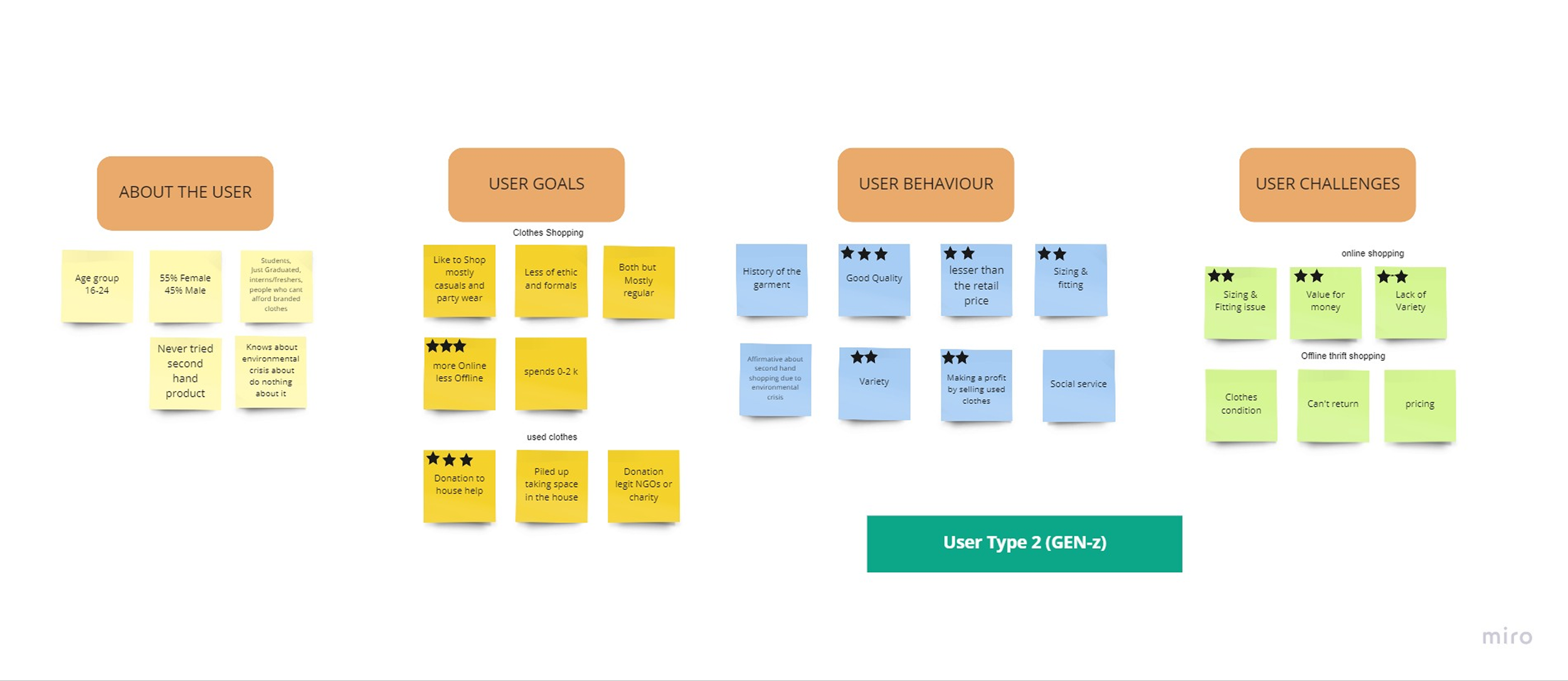
Based on our research, we developed two primary personas:
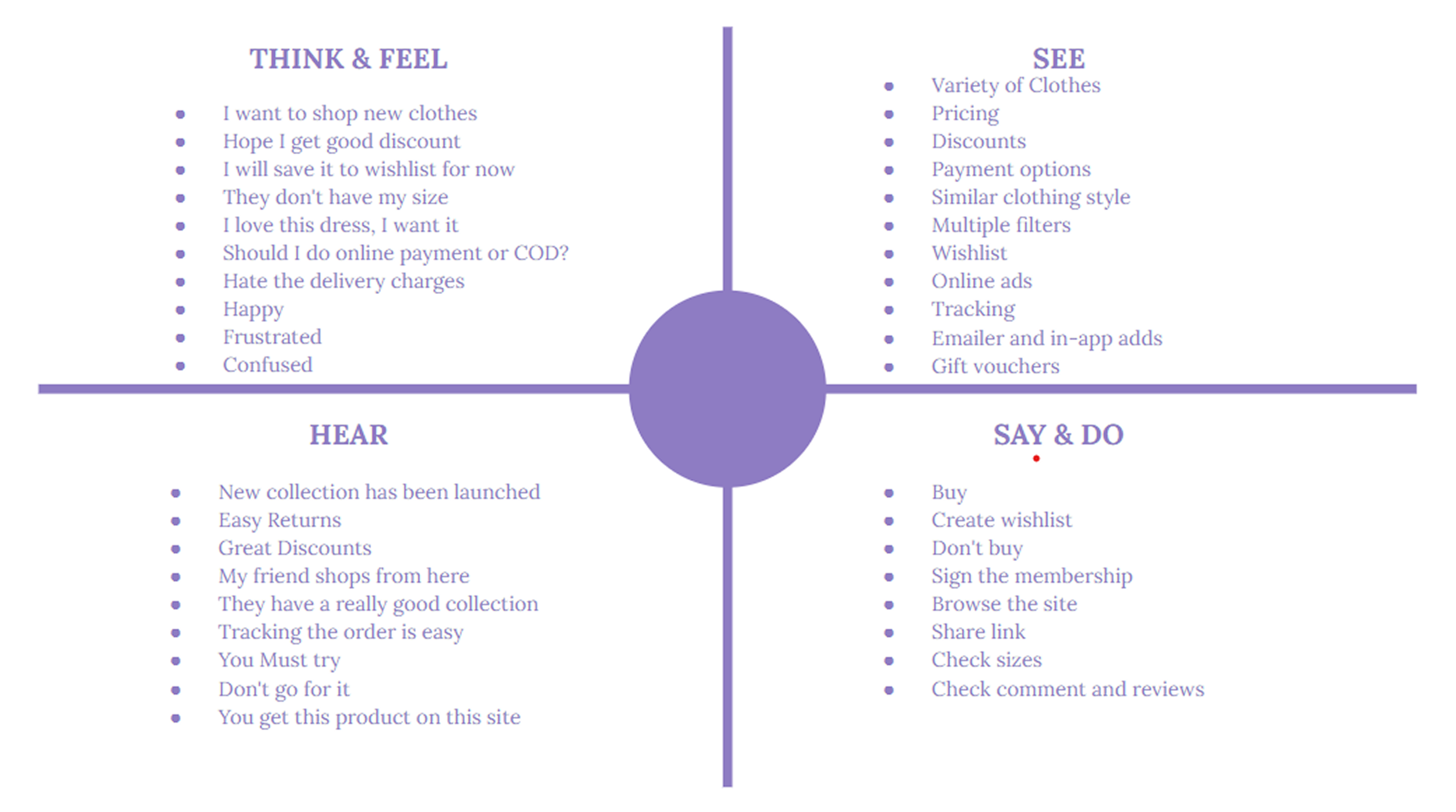
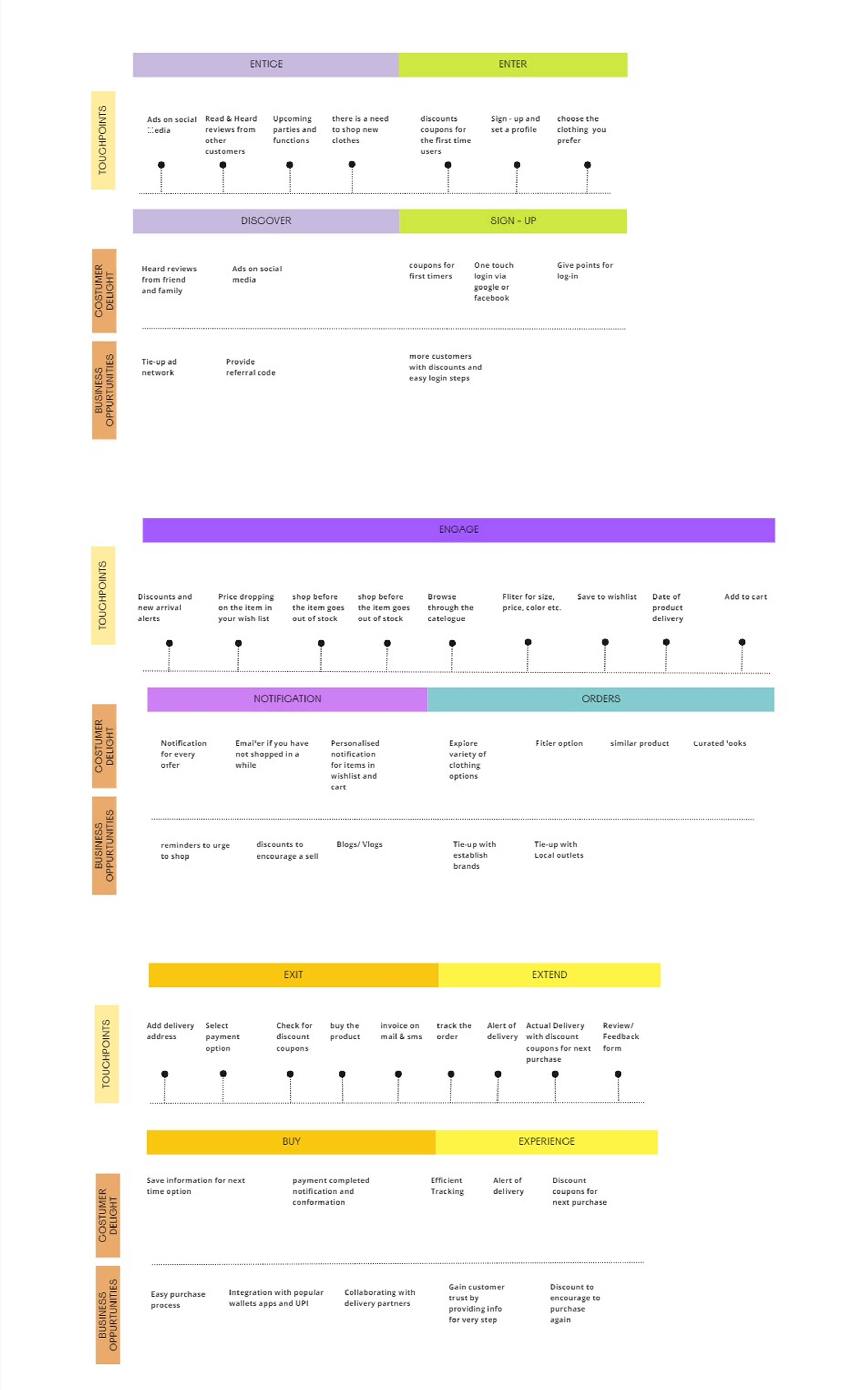
Their journey maps showed similar needs: confidence in quality, easy filtering options, secure payments, and clarity around return or resale.
We framed the core problem as:
"How might we make secondhand shopping feel just as seamless and secure as buying new—while preserving the excitement of finding something unique?"
Ideation
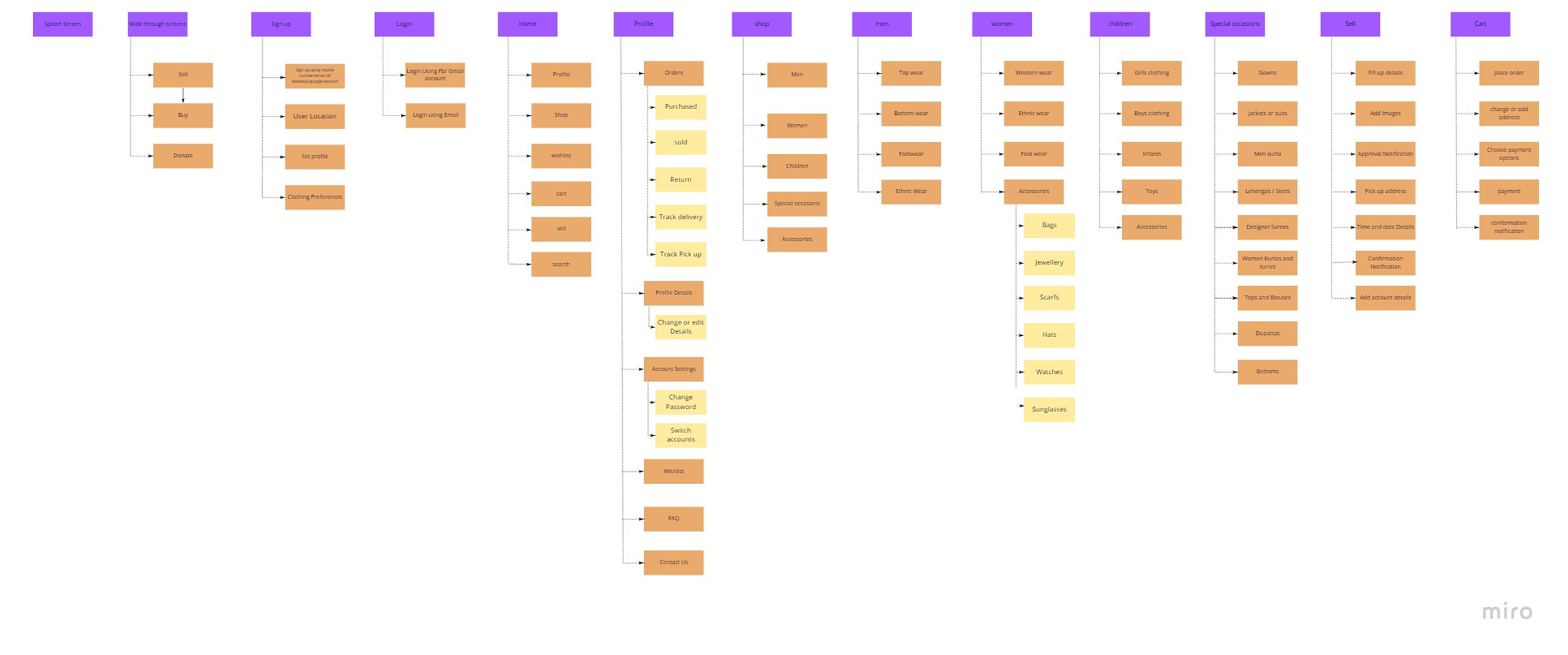
With our personas in mind, we sketched out user flows and interface concepts focused on the key tasks:
Browsing by category, size, and condition
Viewing product details with authenticity badges
A smooth checkout and wishlist experience
Seller dashboards for managing listings, messages, and sales
The design emphasized trust-building features—like condition grading, buyer reviews, and verified seller tags—along with clean filtering options to reduce browsing fatigue.
Design
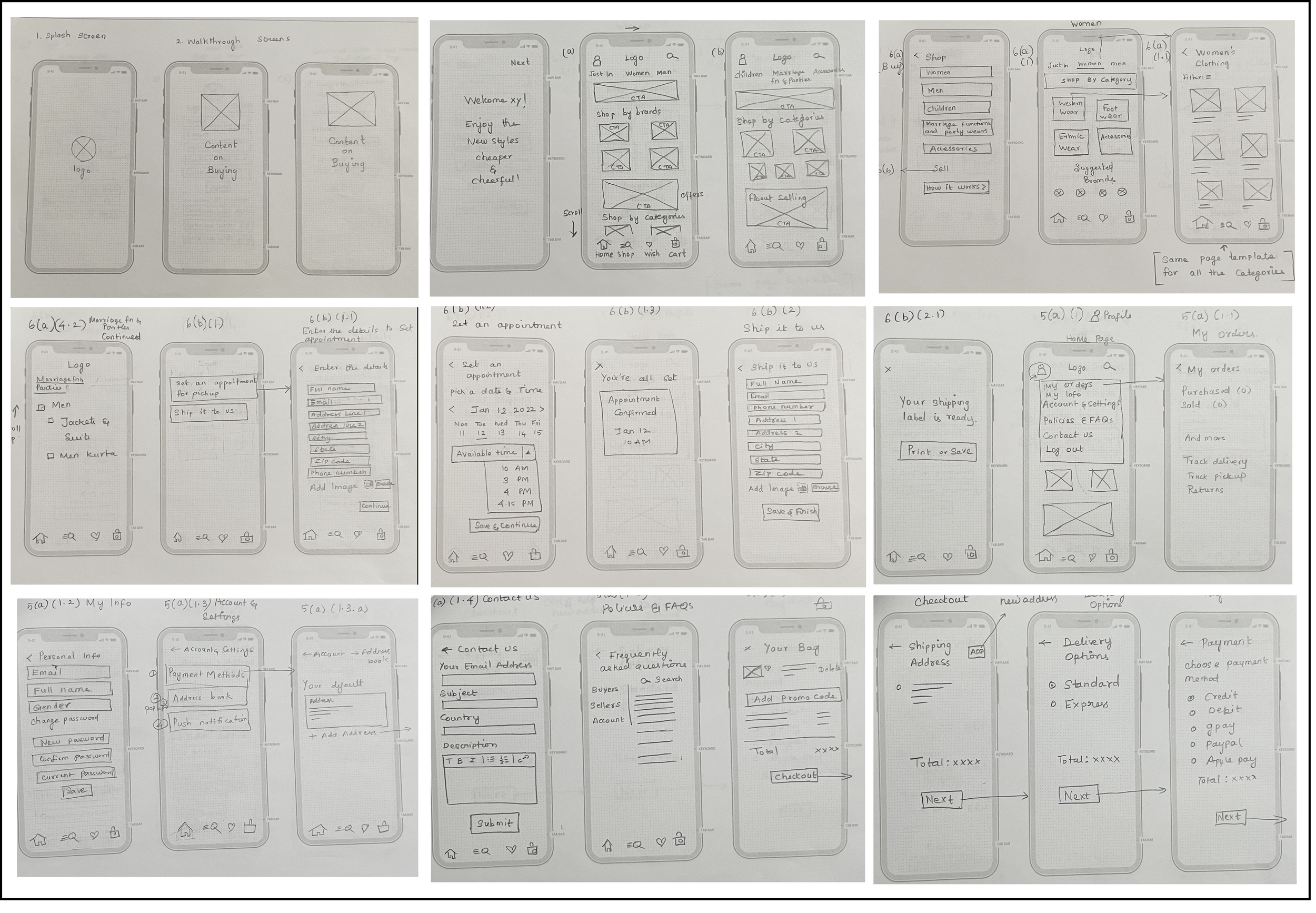
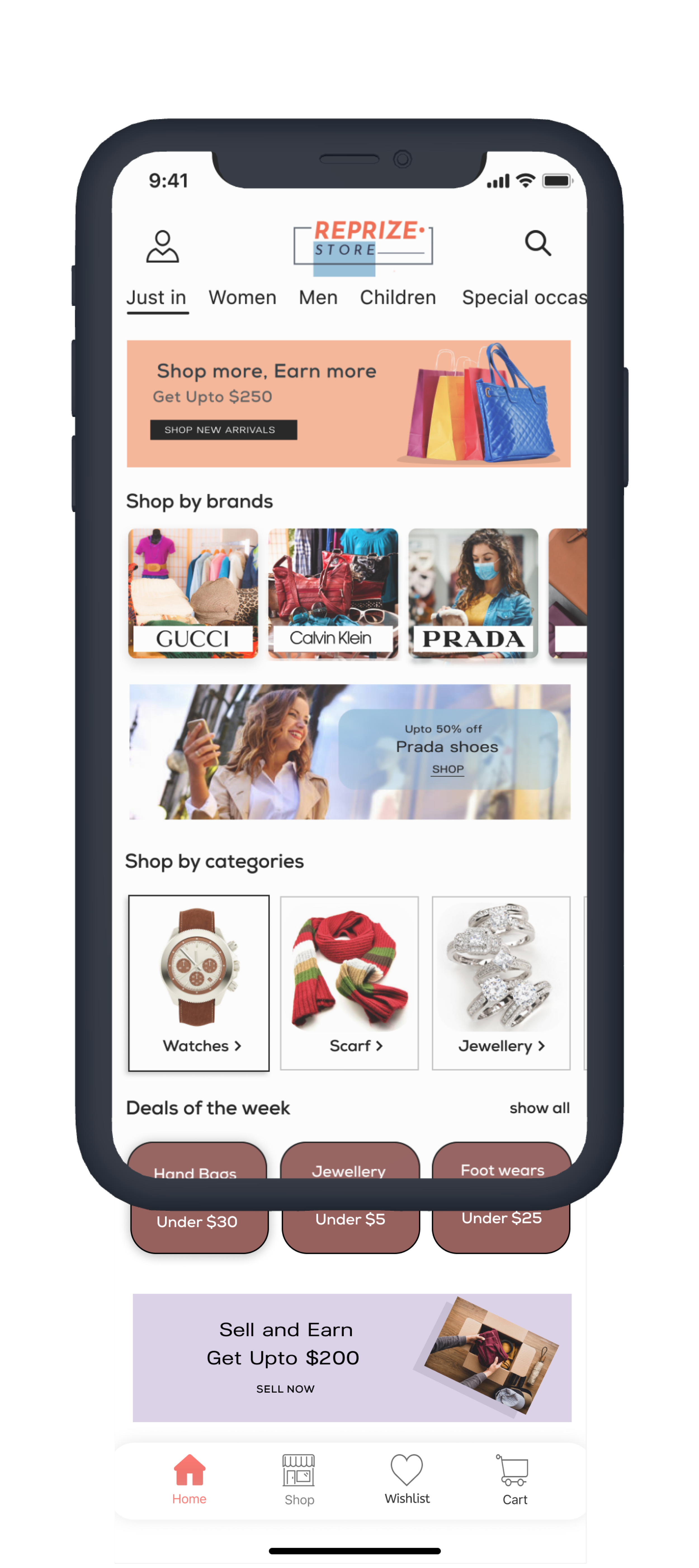
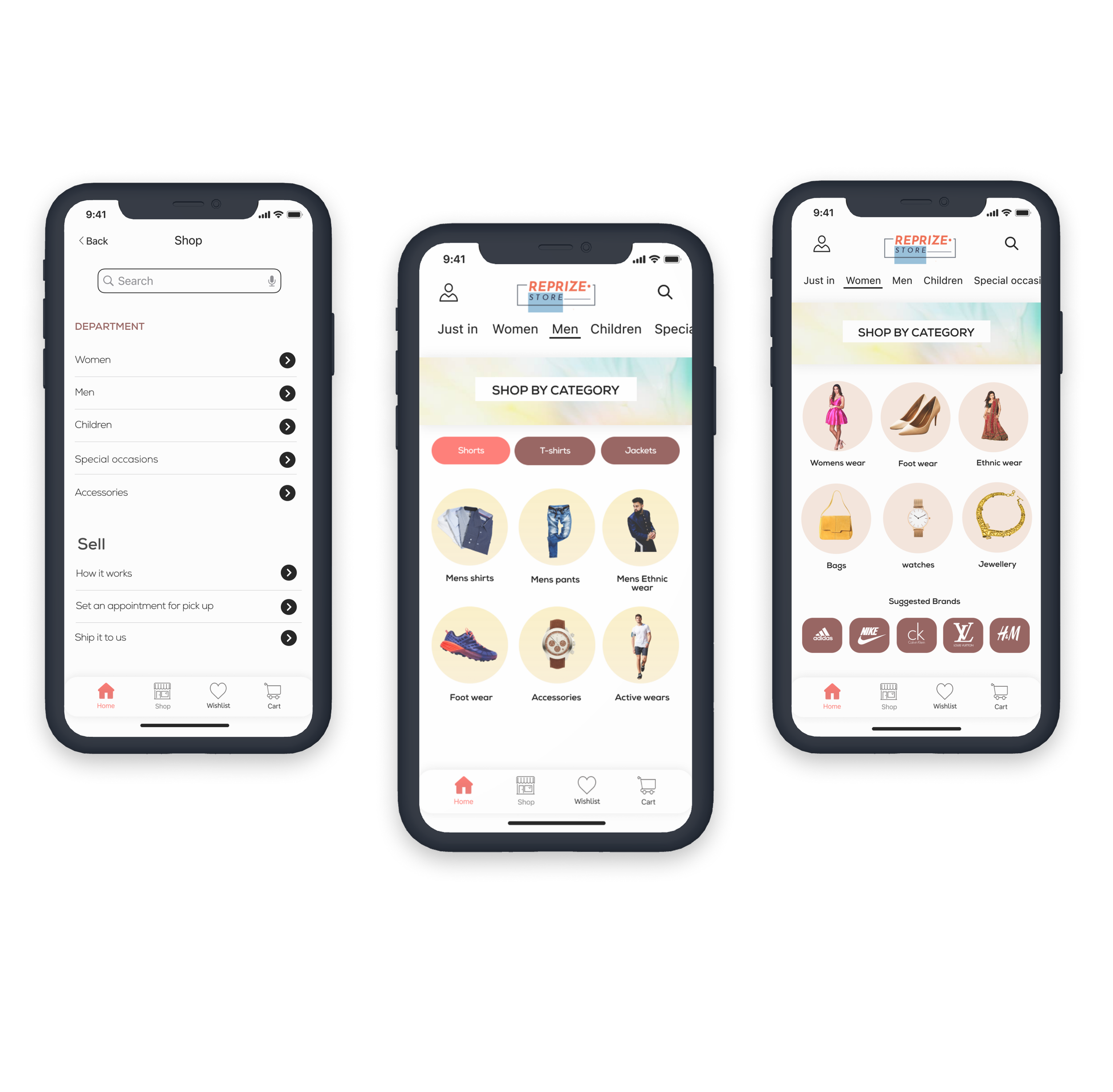
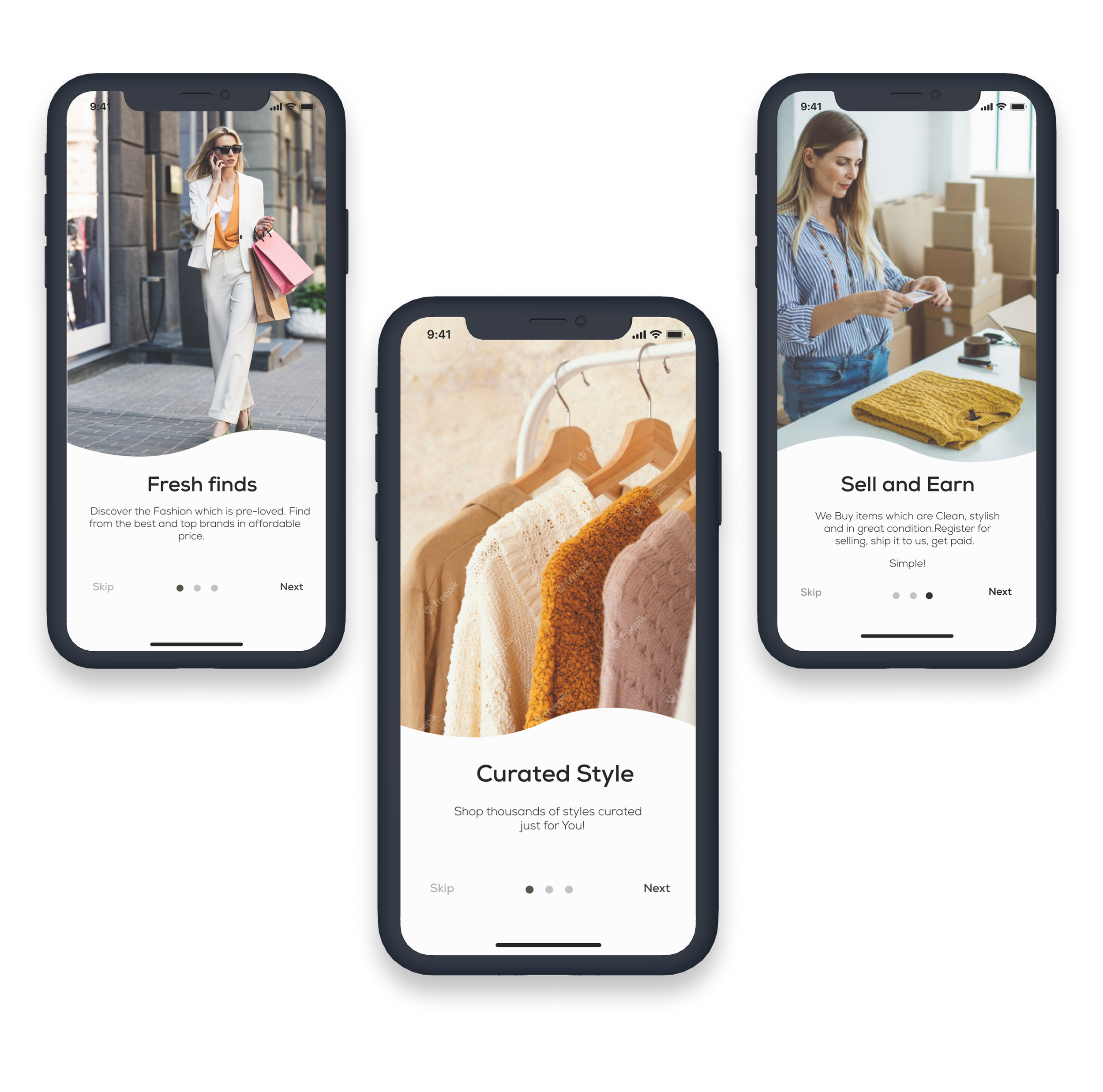
Using Figma, we created low-fidelity wireframes and then high-fidelity mockups that reflected the research insights and user flows. The visual language was clean, modern, and warm—with rounded buttons, soft color palettes, and user-friendly microinteractions.
Key screens included:
A personalized home screen with curated categories
Product pages with clear images, condition labels, and seller info
A seller dashboard with order status and message center
Mobile-first responsive layouts for ease of access on all devices
We prototyped interactions to demonstrate the full shopping and selling experience—from browsing and wishlist creation to final checkout.

Testing & Feedback
We conducted informal usability testing with a small group of target users. Feedback was consistent:
Users found the layout intuitive and appreciated the simplicity of filters.
The condition badge and trust elements made users more confident in purchases.
Some suggested clearer sorting options and preferred wishlist visibility on the homepage.
These suggestions were incorporated into the final design.